
The Role of Road Barriers in Preventing Animal Collisions

Collisions between vehicles and wildlife pose a serious risk to both human and animal safety. Every year, thousands of accidents occur due to animals straying onto roads, resulting in injuries, fatalities, and costly vehicle damage. In Australia, where native wildlife such as kangaroos, wombats, and deer frequently wander onto highways and rural roads, finding ways to reduce these incidents is crucial.
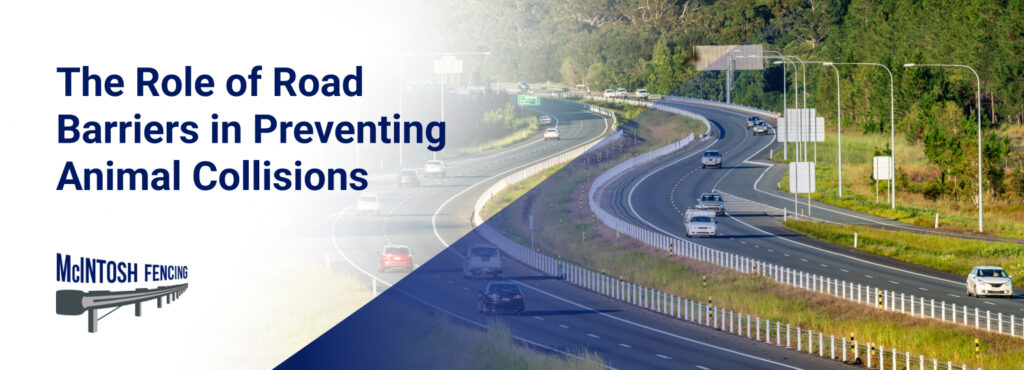
One of the most effective solutions? Strategically designed road barriers. At McIntosh Fencing, we understand the importance of keeping both motorists and wildlife safe. The right barrier system can prevent animals from crossing dangerous roads, guide them toward safe passages, and reduce the risk of high-impact collisions.
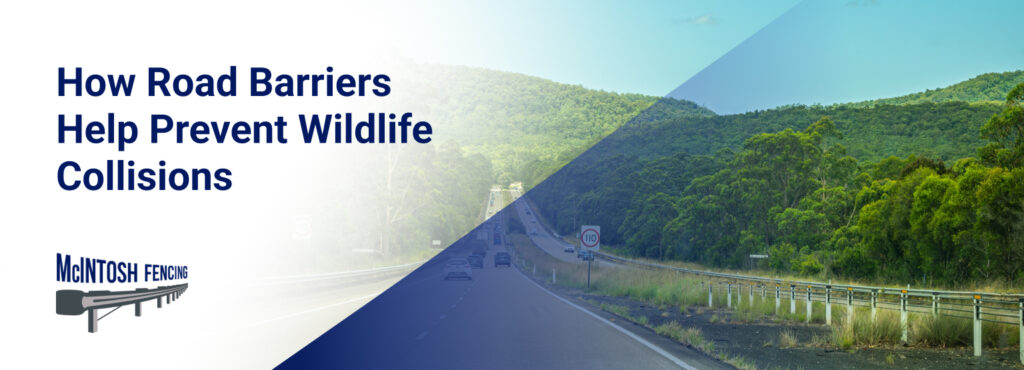
Physical Deterrence: Keeping Animals Off the Road: Installing road barriers along highways and high-risk areas creates a physical boundary that discourages animals from crossing. Barriers such as steel guardrails and concrete walls act as deterrents, reducing the likelihood of sudden animal crossings, particularly in areas where high-speed traffic makes avoiding collisions difficult.
Guiding Wildlife to Safe Crossings: A well-designed road barrier system doesn’t just keep animals off the road—it also directs them toward designated wildlife crossings, such as underpasses or overpasses. These crossings provide a safe passageway for animals, ensuring they can move freely without entering the roadway. By integrating fences and barriers with these crossings, authorities can significantly reduce animal-related accidents.
Minimising Vehicle Damage and Driver Injuries: When an animal suddenly appears on the road, drivers often swerve to avoid impact, which can lead to loss of control, rollovers, or collisions with other vehicles. Road barriers can prevent cars from veering off the road or into oncoming traffic, reducing secondary accidents caused by sudden evasive maneuvers. Steel cable barriers and guardrails are particularly effective in containing vehicles while absorbing impact, keeping drivers safer in the event of a near-miss.
Protecting High-Risk Areas: Some roads are more prone to animal crossings than others. In rural areas, national parks, and forested highways, wildlife encounters are especially common. Installing animal-proof barriers in these locations, combined with warning signage and proper lighting, can significantly lower the chances of collisions.
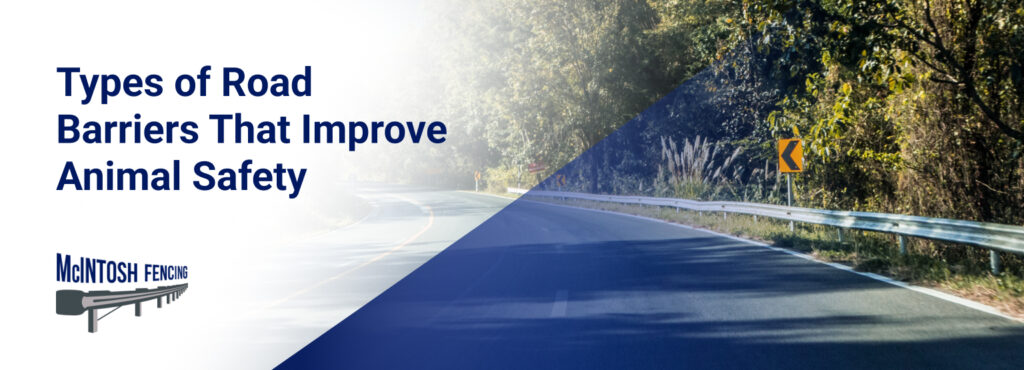
- Steel Guardrails: Prevent vehicles from leaving the roadway while also acting as a deterrent for medium-sized animals.
- Concrete Barriers: Used in high-risk zones where large animal crossings are frequent, reducing the chances of vehicle-wildlife impact.
- Wire Rope Barriers: Absorb impact while allowing small animals to pass safely underneath.
- Wildlife Fencing: Installed alongside barriers to direct animals toward safe crossing points, reducing road access.
At McIntosh Fencing, we believe that road safety includes protecting both motorists and the environment. By implementing well-designed crash barriers and wildlife deterrents, we can help prevent dangerous animal collisions, minimise vehicle damage, and reduce injuries on the road.
If you’re looking for reliable road barrier solutions that enhance both driver and wildlife safety, get in touch with McIntosh Fencing today. Together, we can create safer roads for everyone—humans and animals alike.