
The Importance of Regular Road Barrier Maintenance: Keeping Your Safety Infrastructure in Top Condition

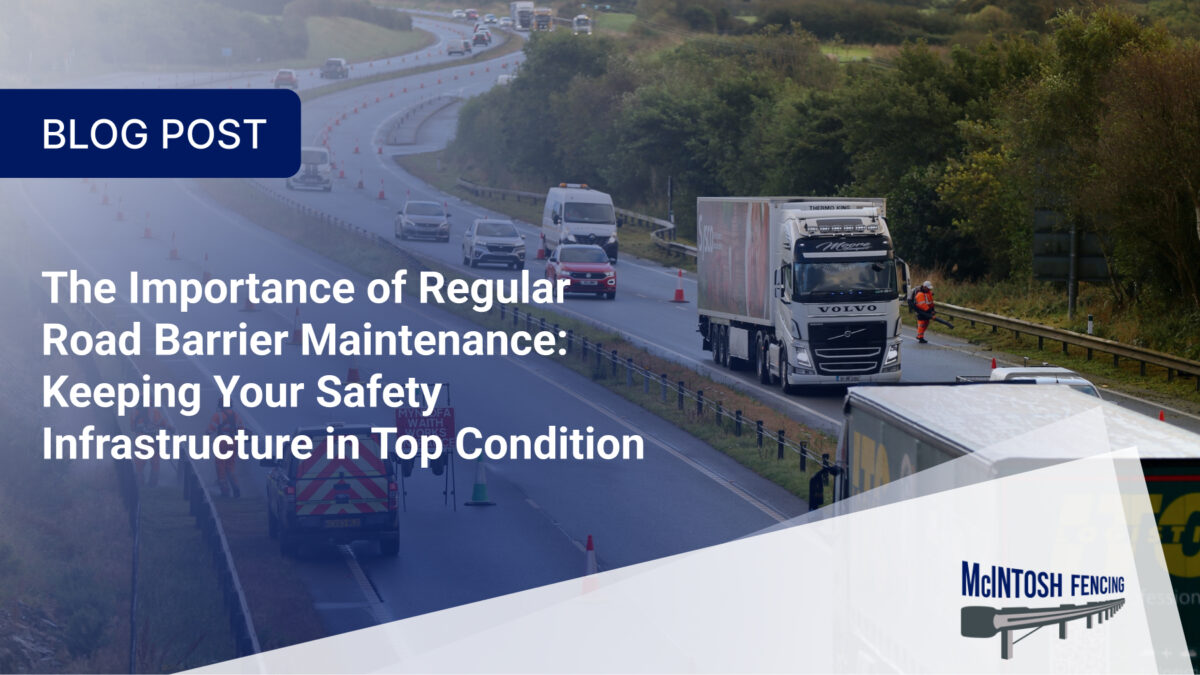
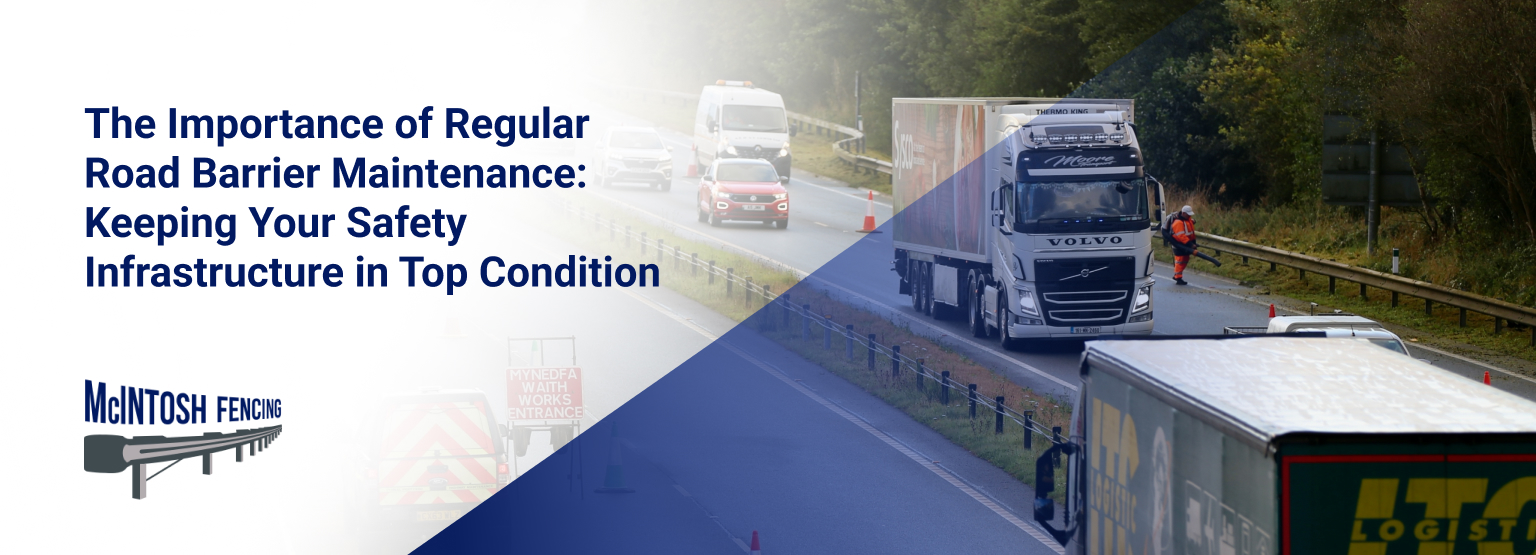
Road barriers are silently working 24/7 to protect people, animals, vehicles, and property. From busy highways to critical worksites, these robust structures play a vital role in directing traffic, preventing vehicles from leaving designated paths, and mitigating the impact of accidents. But like any hard-working asset, road barriers require attention and upkeep to perform their best.
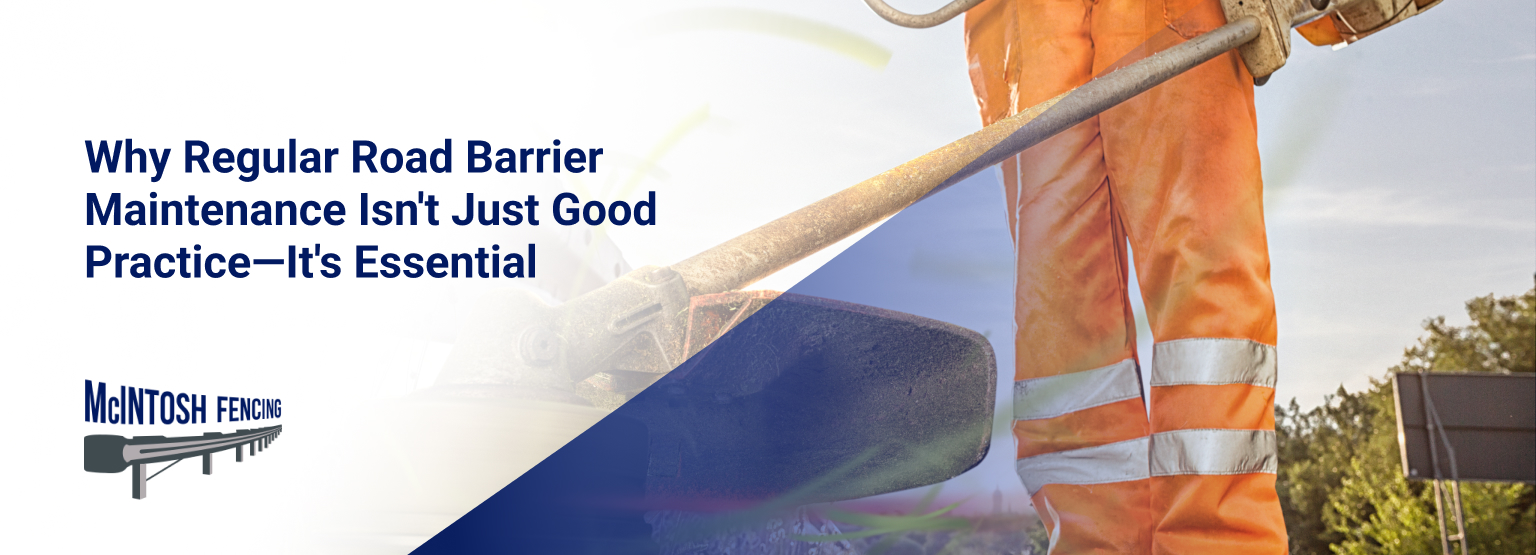
Neglecting road barrier maintenance isn’t just about minor wear and tear; it can have significant safety, operational, and financial implications.
Ensuring Public Safety: The primary purpose of a road barrier is safety. A damaged or compromised barrier cannot effectively absorb impact, redirect vehicles, or prevent errant vehicles from entering dangerous areas. Regular checks ensure that barriers remain structurally sound and capable of performing their life-saving function, protecting motorists, pedestrians, and nearby properties.
Extending Asset Lifespan and Preventing Costly Replacements: Just like any investment, proper maintenance extends the life of your assets. Addressing minor damage, rust, or loose fittings early can prevent them from escalating into major structural issues that necessitate expensive, full-scale replacements. Regular maintenance is a cost-effective strategy that maximises your infrastructure investment.
Maintaining Compliance and Avoiding Penalties: Road safety regulations are stringent, and for good reason. Authorities like the RTA (NSW) and Vic Roads enforce strict standards for road infrastructure. Non-compliant or poorly maintained barriers can lead to significant fines, legal liabilities, and reputational damage for responsible parties. Regular maintenance helps ensure you meet all regulatory requirements.
Operational Efficiency and Reduced Downtime: A failing barrier might require emergency repairs, leading to unexpected road closures, traffic disruptions, and delays for ongoing projects. Scheduled maintenance, on the other hand, allows for planned interventions that minimise disruption and keep operations running smoothly.
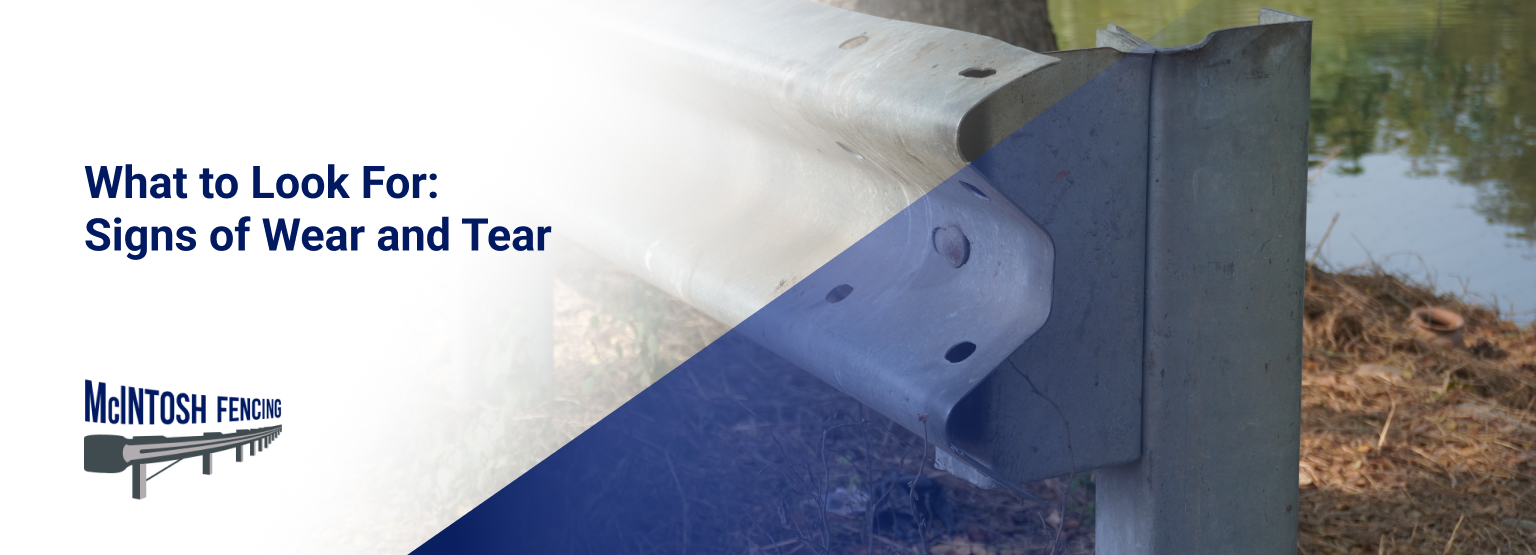
Regular visual inspections are a crucial first step. Here’s what to keep an eye out for:
- Visible Damage: Look for dents, bends, twists, or breaks in barrier rails, posts, and connectors.
- Corrosion and Rust: Especially prevalent in coastal or harsh environments, rust can compromise the structural integrity of metal components.
- Loose or Missing Fasteners: Bolts, nuts, and other securing hardware can loosen over time due to vibration or impact. Missing fasteners severely weaken the barrier.
- Foundation Issues: Check for cracks in concrete foundations, subsidence around posts, or any signs that the barrier’s base is unstable.
- Misalignment: Barriers should form a continuous, even line. Any sections that are misaligned or appear to be leaning could indicate underlying issues.
- Vegetation Overgrowth: While seemingly minor, overgrown bushes or trees can obscure barriers, reduce their visibility, and even contribute to structural stress.
- Reflective Material Degradation: Ensure any reflective sheeting or markings are clean, intact, and still highly visible, especially at night.
Don’t wait for an accident to highlight the need for barrier maintenance. Proactive care is an investment in safety, longevity, and peace of mind. If your barriers are too far gone for maintenance then partner with Mcintosh Fencing to ensure your road safety infrastructure is the best it can be.